TRIAL LESSON · ELIZA · 45 MIN

今天 45 分钟,
我们学什么?

你好,Eliza!欢迎来到晓静老师的中文课。
Nǐ hǎo, Eliza! Huānyíng lái dào Xiǎojìng lǎoshī de Zhōngwén kè.
🔊 Click any speaker button to hear the Chinese. Click cards to see more.
01

自我介绍

Introductions
先听我说About me
1. 你Nǐ叫jiào什shén么me名míng字zi?
What's your name?
→
我叫杨晓静,你可以叫我晓静老师。
Wǒ jiào Yáng Xiǎojìng, nǐ kěyǐ jiào wǒ Xiǎojìng lǎoshī.
My name is Yang Xiaojing. You can call me Teacher Xiaojing.
2. 你Nǐ是shì哪nǎ国guó人rén?
Where are you from?
→
我是中国人,住在青岛。青岛在海边。
Wǒ shì Zhōngguó rén, zhù zài Qīngdǎo. Qīngdǎo zài hǎibiān.
I'm Chinese, and I live in Qingdao. Qingdao is by the sea.
青岛 Qingdao
青岛 Qīngdǎo
3. 你Nǐ的de工gōng作zuò是shì什shén么me?
What do you do?
→
我是中文和韩语老师。
Wǒ shì Zhōngwén hé Hányǔ lǎoshī.
I'm a Chinese and Korean teacher.
4. 你Nǐ的de爱ài好hào是shì什shén么me?
What are your hobbies?
→
我喜欢旅行,我去过丽江和成都。
Wǒ xǐhuan lǚxíng, wǒ qùguo Lìjiāng hé Chéngdū.
I love traveling. I've been to Lijiang and Chengdu.
丽江 Lijiang
丽江 Lìjiāng
成都 Chengdu
成都 Chéngdū
现在换你说Your turn — type your answer, or click a word to add it
1. 你Nǐ叫jiào什shén么me名míng字zi?
What's your name?
→
还没有中文名字? Need a Chinese name? Click here
A Chinese name puts the surname first, then a one- or two-character given name. The best names for foreigners usually sound a bit like your own name and use characters with a good meaning. Click a name to see what it means.
艾丽莎
Closest to "Eliza"
Ài Lìshā

艾 Ài — a real Chinese surname (not very common, so it stands out), and it sounds like the "E-" in Eliza · 丽 lì — beautiful · 莎 shā — often used in women's names (丽莎 = Lisa)

Chinese friends will recognize "Eliza" in it right away.

李莎
Short, very Chinese
Lǐ Shā

李 Lǐ — one of the most common Chinese surnames, from "E-li-za" · 莎 shā — from "-za"

Sounds like a real Chinese person's name.

艾丽
Simple and easy to write
Ài Lì

艾 Ài — surname, "E-" · 丽 lì — "-li-", beautiful

Only two characters — easy to write from your first week.

艾乐知
Sound + a special meaning
Ài Lèzhī

艾 Ài — surname, the "E-" sound · 乐 lè — to enjoy, to find joy in · 知 zhī — to know

乐知 = "finding joy in knowing". It comes from Confucius: 知之者不如好之者,好之者不如乐之者 — "Those who know it are not as good as those who love it; those who love it are not as good as those who enjoy it." A name for someone who learns languages for fun.

Tell me your last name and I can find a surname that sounds like it, too. You can also keep "Eliza" — that's completely fine.
2. 你Nǐ是shì哪nǎ国guó人rén?
Where are you from?
→
Optional — only if you'd like to say where you live: 我住在……
3. 你Nǐ的de工gōng作zuò是shì什shén么me?
What do you do?
→
4. 你Nǐ的de爱ài好hào是shì什shén么me?
What are your hobbies?
→
02

中国初印象

Warm-up: a first look at China
你已经会说中文了!You already speak some Chinese
I say a word in Chinese — you guess the English. Then click the card to check.
kāfēi
?
coffee
咖啡
qiǎokèlì
?
chocolate
巧克力
shāfā
?
sofa
沙发
bāshì
?
bus
巴士
kělè
?
cola
可乐
hànbǎo
?
hamburger
汉堡
pīsà
?
pizza
披萨
mángguǒ
?
mango
芒果
中国初印象A first look at China
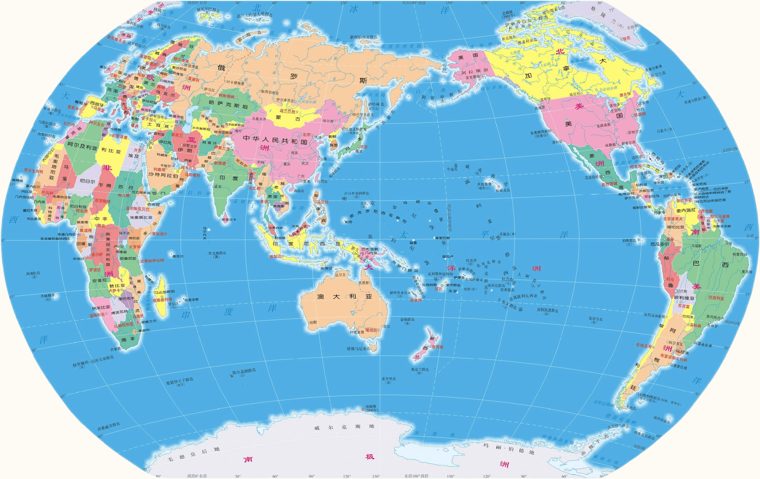
World map📌中国 Zhōngguó · China📍美国 · you
960万平方公里9.6 million km²
14亿多人口1.4+ billion people
56个民族56 ethnic groups
What comes to mind when you think of China? Click a photo to learn the word.
Pandas
熊猫panda
xióngmāo
熊 bear + 猫 cat = "bear-cat". Wild pandas live only in the mountains of southwest China, mostly in Sichuan.
Great Wall
长城the Great Wall
Chángchéng
长 long + 城 city wall. Not one wall, but many walls built over about 2,000 years.
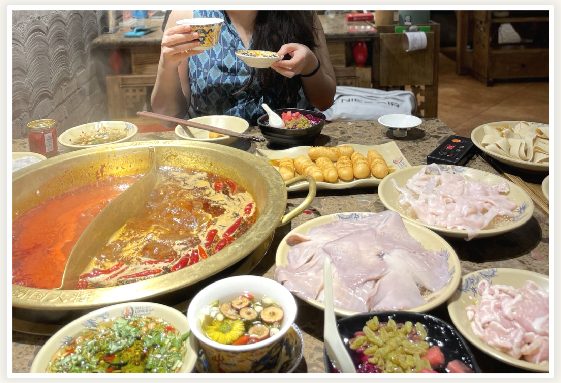
Hotpot
火锅hotpot
huǒguō
火 fire + 锅 pot. Everyone cooks their own food in boiling broth at the table — eating together is the point.
Dumplings
饺子dumplings
jiǎozi
Especially for Chinese New Year — in the north, families make them together.
WeChat Pay
微信支付WeChat Pay
Wēixìn zhīfù
In Chinese cities almost everyone pays by phone — scan a QR code, even at a street food stall.
03

你的中文

Your Chinese so far
拼音小检查A quick pinyin check
You know pinyin and tones already — let's hear them! Read each card out loud, then click 🔊 to compare.
常用例子 · Common examples: each sound appears in many words. I chose these from today's lesson and your interests, so you'll use them again in a few minutes.
zh · ch · sh · r
Zhōngwén · chàng gē · shū · rènshi
中文 Chinese · 唱歌 sing · 书 book · 认识 get to know
z · c · s
zuò fàn · cài · sànbù
做饭 cook · 菜 dish · 散步 take a walk
j · q · x
jìlùpiàn · qù · xǐhuan
纪录片 documentary · 去 go · 喜欢 like
ü
nǚ · lǚxíng · yīnyuè
女 female · 旅行 travel · 音乐 music
Why is 音乐 yuè written without dots?

After j, q, x and y, Chinese never uses a plain "u" sound — so the dots aren't needed: ju, qu, xu, yu, yue are always ü. (去 qù = q + ü)

After n and l, both sounds exist, so the dots must stay: lù 路 road ≠ lǜ 绿 green, nǔ 努 ≠ nǚ 女.

四个声调
tīng · xué · xǐhuan · kàn
听 listen · 学 learn · 喜欢 like · 看 look — today's four verbs, one for each tone!
变调 Tone changes
nǐ hǎo · bú tài · yìqǐ
3+3 → ní hǎo · 不 before a 4th tone → bú · 一 before 1st/2nd/3rd → yì

你告诉我的 · From your message

拼音、声调 ✓No pinyin course needed. If one sound needs work, we'll do a short warm-up for just that sound.

韩语 → 汉字You've seen Chinese characters through Korean — a real head start.

目标 爱好和文化Goal: hobbies & culture

听 · 说 · 读 · 写All four skills

话题 日常生活 · 文化 · 科学和健康Daily life, culture, science & health — all three are in today's lesson.

你的韩语优势Your Korean is a superpower
58.5% of the words in the Standard Korean Language Dictionary (표준국어대사전) are Sino-Korean (한자어), according to the National Institute of Korean Language — so many Chinese words will feel familiar. China uses simplified characters, while Korean hanja are traditional — but you'll see they're closely related.
한국어한자中文English
음악音樂音乐 yīnyuèmusic
과학科學科学 kēxuéscience
건강健康健康 jiànkānghealth
문화文化文化 wénhuàculture
운동運動运动 yùndòngexercise
공원公園公园 gōngyuánpark
04

迷你课 · 你喜欢做什么?

Mini lesson · What do you like to do?
你喜欢做什么?
Nǐ xǐhuan zuò shénme?
What do you like to do? — the first question Chinese friends ask when they get to know you
一个句型,三个话题One pattern — your three topics
我喜欢 + verb + thing. Pick a topic, then swap the yellow part to talk about what you enjoy.
我wǒ喜xǐ欢huan做zuò饭fàn。
I like cooking.
我wǒ喜xǐ欢huan散sàn步bù。
I like taking walks.
我wǒ喜xǐ欢huan听tīng音yīn乐yuè。
I like listening to music.
我wǒ喜xǐ欢huan看kàn书shū。
I like reading.
我wǒ喜xǐ欢huan吃chī中Zhōng国guó菜cài。
I like eating Chinese food.
我wǒ喜xǐ欢huan听tīng中Zhōng文wén歌gē。
I like listening to Chinese songs.
我wǒ喜xǐ欢huan看kàn中Zhōng国guó电diàn影yǐng。
I like watching Chinese movies.
我wǒ喜xǐ欢huan学xué写xiě汉Hàn字zì。
I like learning to write Chinese characters.
我wǒ喜xǐ欢huan看kàn科kē学xué纪jì录lù片piàn。
I like watching science documentaries.
我wǒ喜xǐ欢huan跑pǎo步bù。
I like running.
我wǒ喜xǐ欢huan游yóu泳yǒng。
I like swimming.
我wǒ喜xǐ欢huan打dǎ太tài极jí拳quán。
I like doing tai chi.
接着聊Keep the conversation going
Ask → answer → ask back → agree or disagree. These four sentences cover all of it.
我喜欢看书,你呢?Wǒ xǐhuan kàn shū, nǐ ne?I like reading. What about you? — 呢 throws the question back.
我也喜欢看书。Wǒ yě xǐhuan kàn shū.I like reading too. — 也 goes before the verb.
我不太喜欢运动。Wǒ bú tài xǐhuan yùndòng.I don't really like exercise. — a softer "no".
你喜欢听什么音乐?Nǐ xǐhuan tīng shénme yīnyuè?What kind of music do you like? — go one step deeper.
对话 · 语言交换活动At a language exchange meetup — you and me (晓静)
黄色 = new words蓝色 = grammarClick any word for pinyin and meaning
晓静
你好!我叫杨晓静。你叫什么名字?
你
我叫Eliza,我是美国人。很高兴认识你!
晓静
我也很高兴认识你。你的爱好是什么?
你
我喜欢学外语。我会说英语和韩语,现在学中文。
晓静
太厉害了!你还喜欢做什么?
你
我也喜欢听音乐和看科学纪录片。你呢?
晓静
我喜欢跑步,每天早上去公园跑步。
你
中国的公园早上人多吗?
晓静
很多!有人跳广场舞,有人打太极拳。
你
太极拳?我想学!
晓静
好啊!太极拳对身体很好。
你
那我们一起去吧!

今天的重点句 Key sentences

  1. 你喜欢做什么?What do you like to do?
  2. 我喜欢听音乐,你呢?I like music. And you?
  3. 我也喜欢……I like … too.
  4. 我想学太极拳。I'd like to learn tai chi.
  5. 运动对身体很好。Exercise is good for your body.
中国人的公园和养生Culture words you can use right away — click to learn
广场舞
square dancing
guǎngchǎngwǔ

Every evening in squares and parks, groups — mostly retired women — dance together to loud music. Exercise, music and friends, all in one.

我想看广场舞。I'd like to see square dancing.
太极拳
tai chi
tàijíquán

Slow, flowing movements, often done in parks early in the morning. Studies suggest it helps balance and flexibility.

太极拳对身体很好。Tai chi is good for your body.
养生
"nourishing life" — wellness
yǎngshēng

A big part of daily life in China: eating by the season, going to bed early, keeping warm. Young people joke about 朋克养生 "punk wellness" — staying up late, but with goji berry tea.

我也喜欢养生。I'm into wellness too.
多喝热水
"drink more hot water"
duō hē rè shuǐ

The classic Chinese advice for a cold, a headache, almost anything. It's become an internet joke — but when a friend says it, they're showing they care.

你感冒了?多喝热水!You have a cold? Drink more hot water!
汉字小拆解Characters are pictures put together
You want to read and write too — and your Korean hanja help here. Many characters are built from parts that each carry meaning — once you see the pattern, new characters get easier. Click 笔顺 to watch how each one is written.
女woman+子child=好good

A woman with her child → good. You've already used it today: 你好 · 爱好.

手hand+目eye=看look

A hand held over the eyes to look far away → to look, to read. 看书 · 看纪录片.

亻person+本root=体body

亻 is 人 "person" on the left side. A person's root → the body. 身体 · 对身体很好.

今天的词Today's words — read the English, say it in Chinese, click to check
hobby
Click →
爱好
àihào
你的爱好是什么?
learn foreign languages
Click →
学外语
xué wàiyǔ
我喜欢学外语。
science documentary
Click →
科学纪录片
kēxué jìlùpiàn
我喜欢看科学纪录片。
park
Click →
公园
gōngyuán
我每天去公园散步。
body
Click →
身体
shēntǐ
运动对身体很好。
tai chi
Click →
太极拳
tàijíquán
我想学太极拳。
can (a learned skill)
Click →
会
huì
我会说英语和韩语。
would like to
Click →
想
xiǎng
我想去中国旅行。
together
Click →
一起
yìqǐ
我们一起去吧!
05

今天学了什么

Today's summary — click anything to see pinyin and meaning
主题 Topics
自我介绍Introducing yourself爱好Hobbies中国的公园和养生Parks & wellness in China有用的词Useful words汉字characters: 好 · 看 · 体
词语Words
自我介绍 Introducing yourself
名字
míngziname
美国人
Měiguó rénAmerican
工作
gōngzuòjob, work
很高兴认识你
hěn gāoxìng rènshi nǐnice to meet you
爱好 Hobbies
爱好
àihàohobby
喜欢
xǐhuanto like
听音乐
tīng yīnyuèlisten to music
看书
kàn shūread
学外语
xué wàiyǔlearn foreign languages
科学纪录片
kēxué jìlùpiànscience documentary
跑步
pǎobùrun, jog
做饭
zuò fàncook
中国的公园和养生 Parks & wellness in China
公园
gōngyuánpark
广场舞
guǎngchǎngwǔsquare dancing
太极拳
tàijíquántai chi
身体
shēntǐbody
养生
yǎngshēngwellness, "nourishing life"
多喝热水
duō hē rè shuǐdrink more hot water
有用的词 Useful words
厉害
lìhaiawesome, impressive
一起
yìqǐtogether
韩语
HányǔKorean (language)
现在
xiànzàinow
语法Grammar
我喜欢 + verb
wǒ xǐhuan …I like (doing) …我喜欢看书。I like reading.
也 + verb
yěalso, too — always before the verb我也喜欢听音乐。I like music too.
……,你呢?
nǐ ne?and you? — ask the same question back我是美国人,你呢?I'm American, and you?
会 + verb
huìcan — a skill you learned我会说英语和韩语。I can speak English and Korean.
想 + verb
xiǎngwould like to, want to我想学太极拳。I'd like to learn tai chi.
不太 + verb
bú tàinot really — a softer "no"我不太喜欢运动。I don't really like exercise.
A 对 B 很好
duì … hěn hǎoA is good for B运动对身体很好。Exercise is good for your body.
06

学习路线

Your learning roadmap
我的课程设计:以《新HSK教程》为基础,结合额外的话题和你的实际学习需求,每节课都会具体调整。
My course design: the textbook 《新HSK教程》 (2026, written for the new HSK 3.0 standard) gives us a clear structure. On top of it I add extra topics from your interests, and I adjust every lesson to what you actually need — your pace, the sounds or grammar you find hard, what you want to talk about. HSK exams are optional.
短期目标 · First monthBook 1, lessons 1–6

Introduce yourself, your family and your job; numbers, dates and phone numbers; say what you like and can do.

2 classes a week → lessons 1–6 · 1 class a week → lessons 1–4
长期目标 · Long-termBooks 1–3 · about 1,000 words · HSK 3 level

Travel in China on your own, order food, see a doctor, make friends — and talk about culture, health and science in simple Chinese.

2 classes a week → about 8–9 months · 1 class a week → about 1.5 years
Click a book to see every lesson, the extra topics and how long it takes.
你在这里 · You are here

新HSK教程 1
初级 Beginner

新HSK教程 1

Talk about yourself and your day

15 课 · 约 15–20 节

新HSK教程 2
初级 Elementary

新HSK教程 2

Chat about daily life and experiences

15 课 · 约 20–25 节
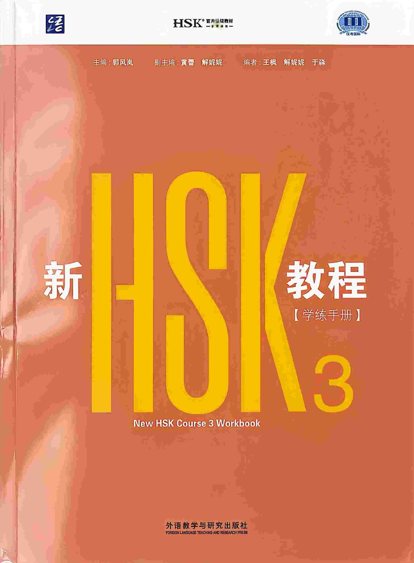
新HSK教程 3
中级 Intermediate

新HSK教程 3

Get by on your own in China

18 课 · 约 28–35 节
新HSK教程 4上新HSK教程 4下
中级 Intermediate

新HSK教程 4 上/下

Talk about culture, health and science

20 课 · 约 45–60 节

新HSK教程 1 15 lessons · 300 words · 40 grammar points · about 15–20 classes

After this book you can: introduce yourself and your family, give phone numbers and times, shop, order a drink, talk about the weather and about a movie you watched.

黄色 = 今天预习的内容 what we preview today 已经会了 already done
1AI小语,你好!Hello, AI Xiaoyu!pinyin ✓ you know it
2我叫李文My name is Li Wen今天预习 preview
3我是中国人I'm Chinese今天预习 preview
4我有两个孩子I have two children
5今天我休息I'm off today今天预习「会」
6你的手机号是多少?What's your phone number?
7我晚上六点半下班I get off work at 6:30 p.m.
8我爸爸也在医院工作My dad also works at a hospital
9我明天上午在学校学习I'll study at school tomorrow morning
10这儿的苹果真便宜!The apples here are so cheap!
11我读大学呢I'm at university
12昨天下雪了It snowed yesterday
13请给我一杯茶A cup of tea, please
14我看了一个电影I watched a movie
15大兴机场见!See you at Daxing Airport!
Why 15–20 classes if we already touch lessons 2, 3 and 5 today? Today we only preview a few sentences from them. Each lesson has about 20 new words, 2–3 grammar points, a text, characters and practice — so one lesson usually takes about 1–1.5 classes. Lesson 1 (pinyin) we can skip.
额外话题 · Extra topics
早上的公园morning in a Chinese park中国菜和外卖Chinese food & delivery apps看医生seeing a doctor养生Chinese wellness高铁和移动支付high-speed rail & mobile payment中国音乐Chinese music你想加的……your ideas
工具 · Tools
拼音工具箱pinyin warm-ups, only for sounds you need写汉字stroke practice + typing on your website

新HSK教程 2 15 lessons · about 200 new words (≈500 total) · 45 grammar points · about 20–25 classes

After this book you can: take a taxi, plan a trip, visit a Chinese friend's home, celebrate birthdays and Spring Festival, compare things ("colder than Beijing"), and connect ideas with "even though … still …".

1她请我们吃了北京烤鸭She treated us to Peking duck
2还是打车去北大吧Let's take a taxi to Peking University instead
3我想去西安旅游I want to visit Xi'an
4你穿红色的很好看You look pretty good in red
5第一次去中国朋友家Visiting a Chinese friend's home for the first time
6小雪,生日快乐!Happy birthday, Xiaoxue!
7他篮球打得很好He plays basketball very well
8虽然你忘了,但是我记得Even though you forgot, I remembered
9我去买杯奶茶I'm going to buy a cup of bubble tea
10就要考试了The exam is coming
11我最喜欢吃中国菜I like Chinese food the most
12这里比北京冷多了It's much colder here than in Beijing
13我们爱上中文课We love attending Chinese class
14一个人过年多没意思啊It's boring to celebrate the Spring Festival alone
15我想再去一次中国I want to go to China again
额外话题 · Extra topics
身体和健康the body & health运动和健身sports & fitness春节和中国节日Spring Festival & other festivals茶和奶茶tea & bubble tea culture中文歌和电影Chinese songs & movies城市生活city life in China你想加的……your ideas
工具 · Tools
拼音工具箱last stage that needs it写汉字stroke practice + typing

新HSK教程 3 18 lessons · about 1,000 words in total · about 28–35 classes · ends with an HSK 3 mock test

After this book you can: handle most everyday situations in China on your own — airports, hotels, takeout on the high-speed train, a hospital visit — and talk about news, weather and the people around you.

1我们去机场接你们We will pick you up at the airport
2你们想吃什么就点什么You can order whatever you feel like
3这个小区挺好的This neighborhood is pretty nice
4这家宾馆跟别的都不一样This hotel is unlike any other
5这样的照片才好看Photos like these are the best
6高铁上还可以点外卖You can even order takeout on a high-speed train
7那条裙子比短裤更好看That skirt looks better than the shorts
8今天我出院了Today I was discharged from the hospital
9打不好没关系It doesn't matter if you don't play well
10你明天再把书还给我You can return the book to me tomorrow
11看来我没办法解决这个问题It seems I can't solve this problem
12这个季节天气变化很快The weather changes quickly in this season
13我的新邻居来自英国My new neighbors come from the UK
14这本书被别人借走了This book is checked out
15我是半个南京人I'm basically half a Nanjing local
16我听说有的熊猫出国了I heard some pandas have gone abroad
17我要多向认真的人学习I'll learn from people who are careful
18我学会了包饺子I've learned how to make jiaozi
额外话题 · Extra topics
科学新闻里的词words from science news天气和环境weather & environment熊猫保护panda conservation科技和生活technology in daily life做中国菜cooking Chinese food短视频和歌short videos & songs你想加的……your ideas
工具 · Tools
写汉字typing longer texts真实材料short real articles & videos

新HSK教程 4 上 / 下 20 lessons (10 + 10) · 80 grammar points · HSK 4 vocabulary · about 45–60 classes

After these books you can: have real conversations about the topics you care about — health, science, work, culture, North vs. South China — and read texts written for Chinese readers.

1我们来中国学习了We have come to China to study
2租到了合适的房子I have rented a suitable apartment
3手机扫一下Just scan with your phone
4很高兴能帮到你I'm glad I could help you
5“不怕辣”和“怕不辣”"Not afraid of spicy" vs. "afraid of not spicy"
6我陪你去看病I'll go with you to see the doctor
7在工作中学习Learning on the job
8该放松时就放松Relax when it's time to relax
9遇见你,刚刚好Meeting you, just perfect
10南方不懂北方的冷Southerners just don't get the northern cold
11活到老学到老One is never too old to learn
12幸福的家庭Happy families
13美好的日子Wonderful days
14合适才买Buy only what fits
15我去应聘了I went for a job interview
16计划赶不上变化Plans can't keep up with changes
17运动让我更健康Exercise makes me healthier
18科技改变生活Technology changes life
19他们都很棒They were all fantastic
20看不完也读不完So much to see, so much to read
额外话题 · Extra topics
中医和西医Chinese & Western medicine健康生活healthy living科技改变生活how technology changes life南方和北方North vs. South China中文纪录片documentaries in Chinese读新闻reading real news你想加的……your ideas
大概要多久? · How long will it take?
学完 Finished你的水平 Your level每周 2 次
2 classes a week
每周 1 次
1 class a week
新HSK教程 1300 words · basic daily Chinese≈ 2 months≈ 4 months
新HSK教程 2≈ 500 words · everyday conversations≈ 5 months≈ 9 months
新HSK教程 3≈ 1,000 words · HSK 3 · on your own in China≈ 8–9 months≈ 1.5 years
新HSK教程 4HSK 4 · real conversations on culture, health, science≈ 1–1.5 years≈ 2.5 years
Estimates for 45–50 minute one-on-one classes, counted from today. Your real pace will decide — I'll check progress with you regularly.
07

作业

Homework — everything is on this page
Your answers are saved automatically in this browser. When you're done, click 完成 · 整理给老师 at the bottom and send me the text on italki. About 30 minutes in total — do as much as you like.
1

🔊 听一听,读一读

Listen & read aloud on your own — no need to send anything
  1. Go to the dialogue in section 04. Click 🔊 on each line, then read it aloud after it.
  2. Turn on 显示拼音 the first time; the second time, try reading with the pinyin hidden.
  3. Read the self-introduction you write in part 2 out loud. We'll practise it together next class.
2

✍️ 写一写:介绍你自己

Write 4–6 sentences about yourself
我叫……name我是美国人,住在……where you live我是…… / 我在……工作your job 我喜欢……,也喜欢……hobbies + 也我会说……languages + 会我想学……something you'd like to learn + 想
0 字 characters · Can't type Chinese yet? See part 3. You can also write in pinyin.
3

⌨️ 打字练习

Type it in Chinese
How to type Chinese on your computer or phone

Windows: Settings → Time & Language → Language → Add a language → 中文(简体) Chinese (Simplified) → Microsoft Pinyin.
Mac: System Settings → Keyboard → Input Sources → + → Chinese, Simplified → Pinyin – Simplified.
iPhone / Android: Keyboard settings → Add keyboard → Chinese (Simplified) → Pinyin.
Then type the pinyin without tones (e.g. woxihuan) and choose the characters.

I like reading.wǒ xǐhuan kàn shū
I like listening to music too.wǒ yě xǐhuan tīng yīnyuè
I can speak English and Korean.wǒ huì shuō Yīngyǔ hé Hányǔ
What do you like to do?nǐ xǐhuan zuò shénme
I'd like to learn tai chi.wǒ xiǎng xué tàijíquán
Exercise is good for your body.yùndòng duì shēntǐ hěn hǎo
4

🖌️ 写汉字

Write characters with your mouse or finger
Pick a character. Click 看笔顺 to watch the strokes, then 自己写 and draw each stroke in the box — it tells you if a stroke is wrong. (Needs an internet connection.)
5

📇 生词表 → Anki / Quizlet

Today's words — untick what you already know
Anki: File → Import → choose the .txt · Fields separated by Tab · tick "Allow HTML". Quizlet: Create → Import → paste, "Between term and definition: Tab".
Click, then paste the text into an italki message to me.
08

课堂反馈

How was today?
你觉得今天的课怎么样?
Nǐ juéde jīntiān de kè zěnmeyàng?
How did you feel about today's lesson? Was the level OK?
太简单了 too easy正好 just right有点儿难 a bit hard
你有什么意见和建议?
Nǐ yǒu shénme yìjiàn hé jiànyì?
Anything you'd like more or less of?
上课时间你可以直接在 italki 上预约。如果我的日历上没有你想要的时间,给我发信息就好,我们可以单独协调。
Book lessons on italki whenever it suits you. If my calendar doesn't show the time you want, just message me — we can usually work something out.
课堂笔记 My notes